Anatomy of a Poetic Fraud
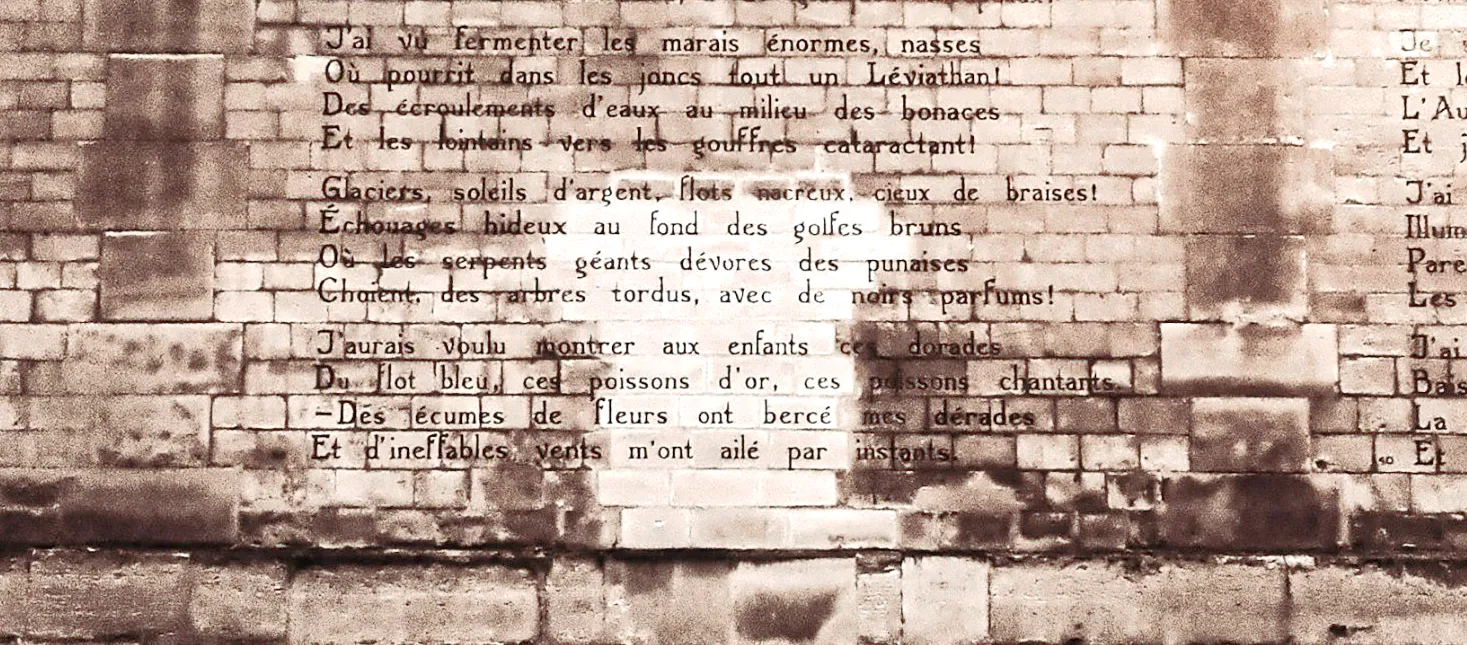
The Skeptical Discovery
I discovered Dimitri Rataud's "Haiku Marinière" on Instagram and immediately thought: "This is brilliant... and possibly a bit of bullshit."
The concept is undeniably original — taking novels, blacking out most text with markers to reveal hidden haiku. The aesthetic is gorgeous, the Instagram following impressive, the art sales thriving. But watching people marvel at this "discovered poetry," I couldn't shake one question:
Isn't this just selective editing with extra steps?
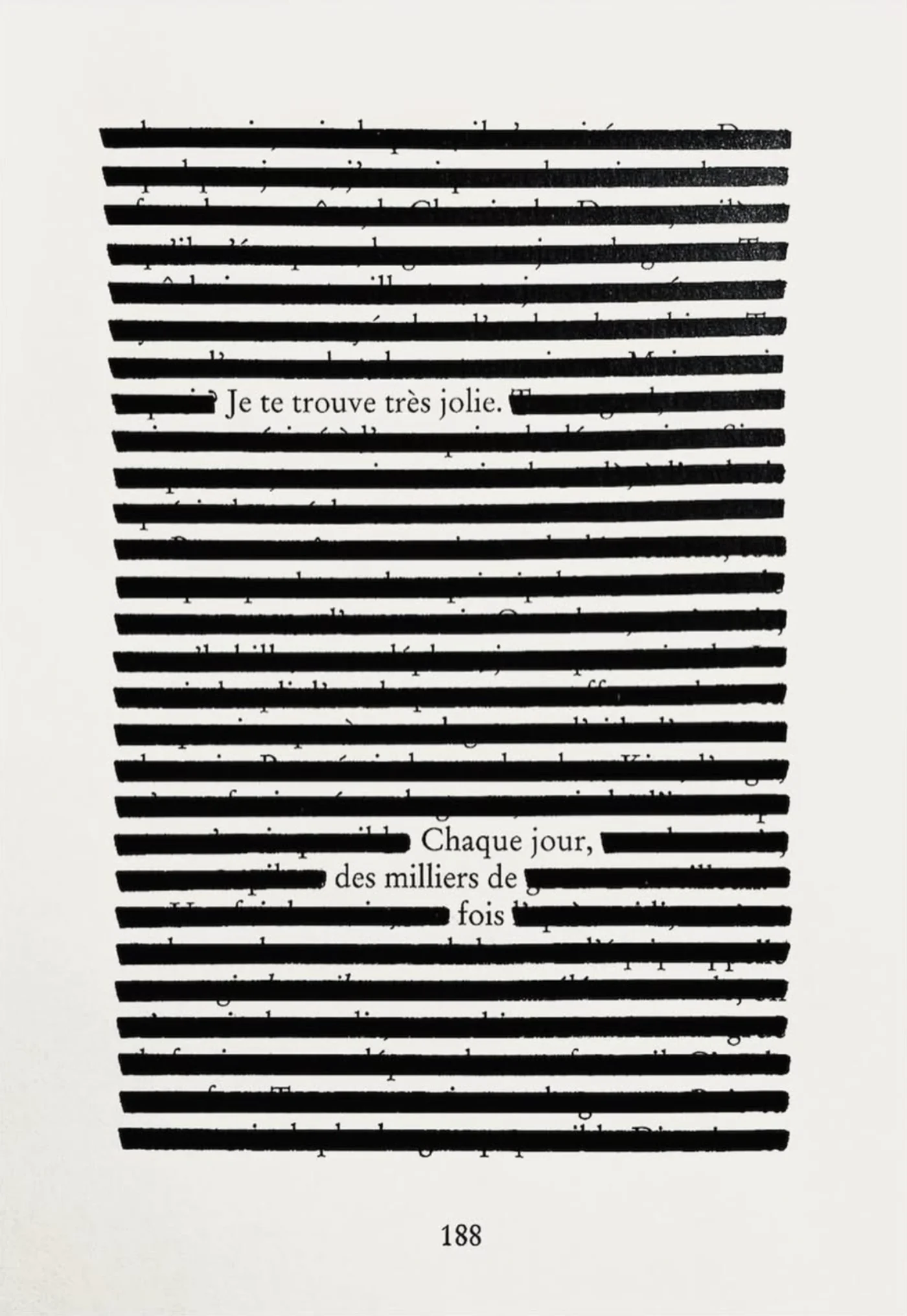
Think about it. Any text contains infinite possible word combinations. Here, cross out everything except "every day," "thousands of," and "times" from this page of a novel, and you've found an irregular haiku. The artistic fraud isn't in the execution — it's in calling random selection "discovery."
But here's what fascinates me: the audience completely buys it. Followers perceive genuine emotion in these hidden poems. The concept works, not because it reveals anything profound about literature, but because we humans are meaning-making machines. Show us nicely arranged words, and we'll find poetry — even in randomness.
So I thought: "If I'm going to call out this beautiful fraud wrapped in art without looking like a hater, I might as well build a digital version that exposes both deceptions at once."
That's how GutenKu was born.
Two Frauds, Same Result (Almost)
The Analog Fraud (Dimitri Rataud's Version)
- The Claim: Dimitri Rataud reveals poetry hidden in ordinary pages
- The Reality: He isolates words selectively, presenting them as literary discovery
- The Catch: It doesn't really follow the 5-7-5 syllable rule — so not technically haiku
- The Success: People project meaning onto curated randomness
- The Genius: The graphic presentation adds a pictorial dimension to the artistic object
The Digital Fraud (My Version)
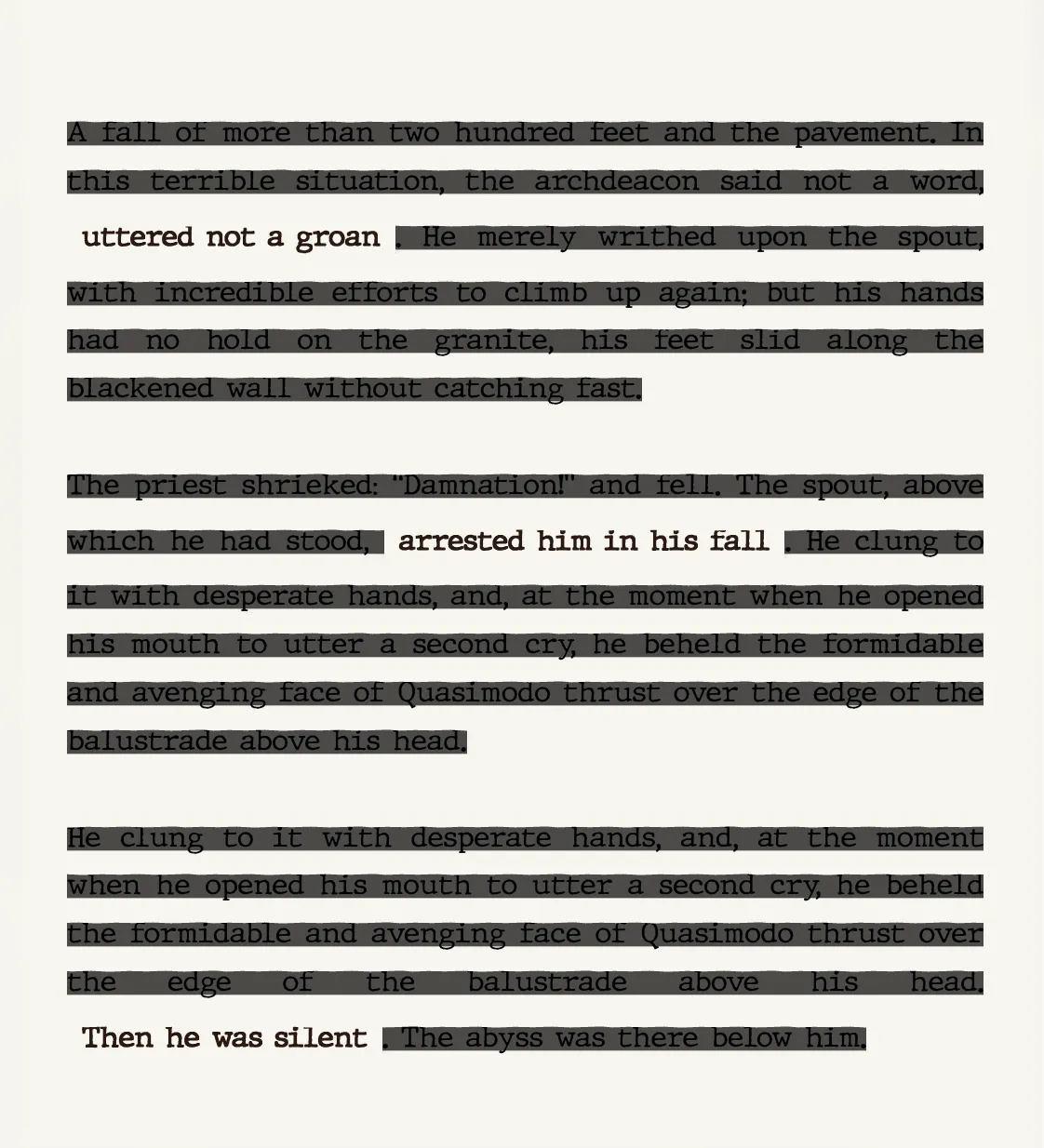
- The Claim: GutenKu creates original haiku inspired by classic literature
- The Reality: The algorithm optimizes verse combinations using genetic algorithms and NLP (Natural Language Processing) scoring
- The Catch: The rules are too strict to find matches at page level — we have to split into chapters to find patterns that match all these constraints
- The Success: Same projection of meaning onto algorithmic output
- The Mirror: We confuse optimization with creativity
Both are just selection disguised as creation. One uses black markers, the other uses machine learning. Same trick, different tools.
What GutenKu Actually Does
Let me be clear: GutenKu does not use an LLM. It doesn't "write" anything — it's a word-shuffling machine that recombines existing phrases through trial and error.
Here's the short version:
- It pulls text from classic books on Project Gutenberg — a digital library of public domain books — (Shakespeare, Austen, Dickens...)
- It scans sentences and keeps only chunks with exactly 5 or 7 syllables
- 150 haiku candidates compete and evolve over generations, following strict 5-7-5 structure
- 18 quality metrics plus a neural network score each candidate
- GPT adds a title and translations for the winner
The key point: GutenKu doesn't promise meaning — only resonance.
Want the full technical breakdown? Read the Technical Deep-Dive for genetic algorithms, NLP scoring, and neural network details.
What This Obsession Taught Me
This fascination isn't new for me. Two decades ago, inspired by Raymond Queneau's combinatorial poetry experiments, I was already generating haiku with Prolog — a logic programming language developed in France. The technology changed; the fascination didn't.
Where does meaning actually live?
I used to think poetry was in the text, that certain arrangements of words contained inherent beauty. Now I believe something different. Poetry is born the moment a human mind encounters arranged words and decides to feel something.
The haiku isn't on the page. It's in the space between the page and your consciousness. Dimitri Rataud's black markers don't reveal hidden poems. GutenKu's algorithm doesn't create art. We — the readers — do the creating.
Umberto Eco imagined "The Open Work": a text incomplete until someone interprets it. Roland Barthes extended this idea with "The Death of the Author" — the radical position that once a text leaves its creator, meaning belongs entirely to the reader.
GutenKu takes this to its logical extreme. There is no author. Just an algorithm shuffling words, and humans drawing meaning onto the result.
The Philosophical Fraud We're All Complicit In
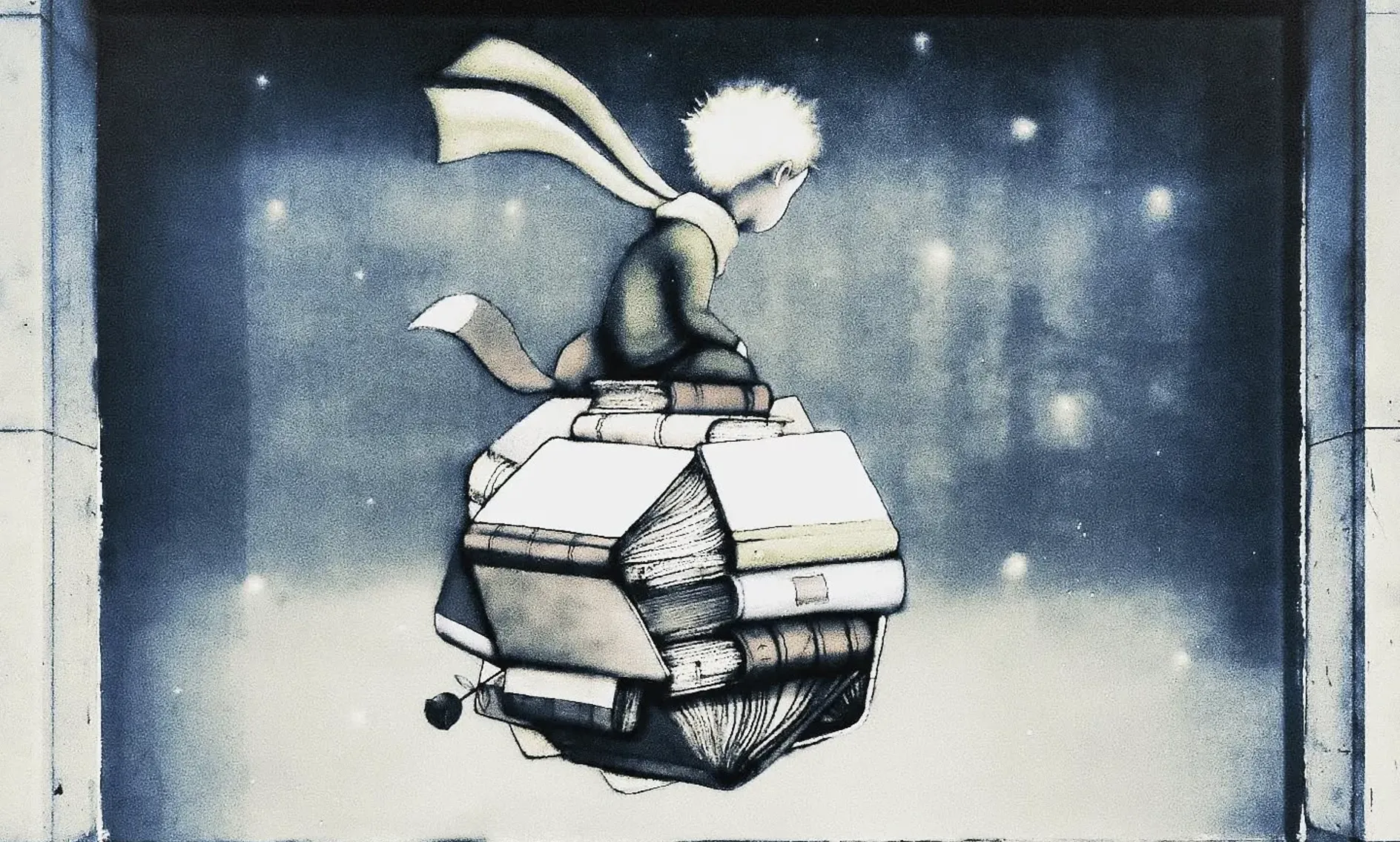
See how an uninformed reader might anthropomorphize GutenKu:
| What we say | What's actually happening |
|---|---|
| The algo "creates" haiku | It recombines verses until scores stop improving |
| The algo "understands" poetry | It counts patterns in text |
| The algo "creates art" | It shuffles words until scores are high |
When that reader reads a GutenKu haiku and feels something, that emotion comes from them — their memories, their culture, their sense of beauty. The algorithm feels nothing. It's not AI creativity they're perceiving. It's their own humanity reflected back at them.
So what's the difference between Dimitri Rataud and GutenKu?
Dimitri Rataud draws from life experience, follows gut feeling, hand-picks words, and produces human meaning.
GutenKu draws from word pools, applies math, optimizes scores, and produces output.
One creates through consciousness. The other optimizes through metrics.
One draws black lines with a marker, the other builds an algorithm. Two forms of craftsmanship in service of content creation.
An Honest Fraud
Here's the irony: I built GutenKu to expose the fraud in found poetry — and ended up creating something oddly more honest.
GutenKu doesn't pretend to be conscious. It's openly algorithmic. What I actually learned: poetry isn't hiding in books, waiting to be found. It's born the moment a human mind encounters arranged words and decides to feel something.
Try Both Approaches
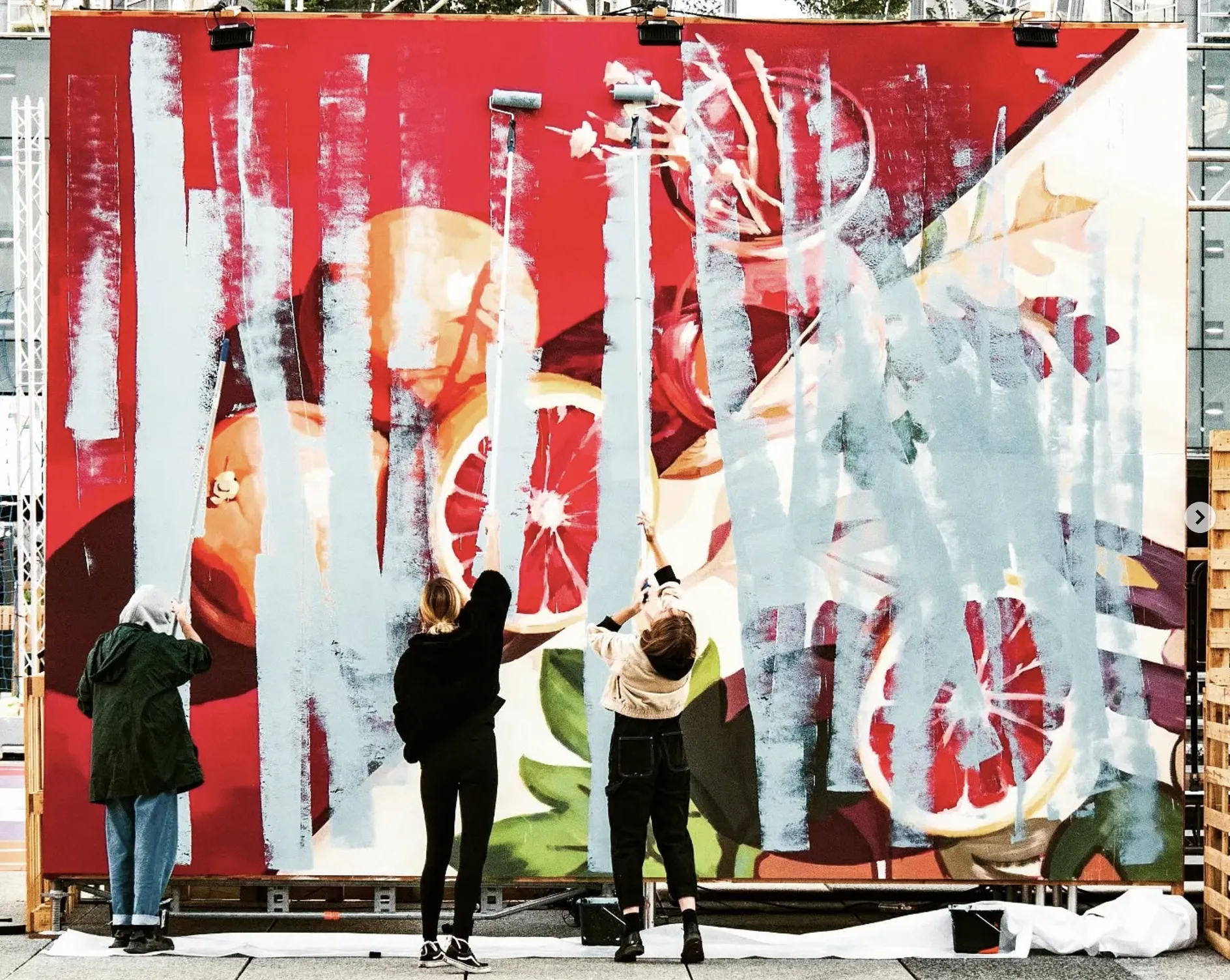
The human way:
- Follow @haiku_mariniere for Dimitri Rataud's hand-picked poetry
The algorithmic way:
- Visit gutenku.xyz for daily generated haiku
- Follow @gutenku.poem on Instagram
- Peek at the source code to see how the sausage is made
- Read the Technical Deep-Dive to understand the algorithm
The Final Fraud: This Article
Here's the ultimate irony: I just spent all these words calling both approaches fraudulent — and you probably found insights, meaning, maybe even a little philosophical beauty in the criticism.
The fraud isn't in the algorithms or the black markers. It would be in calling any content generation a discovery.
But maybe that's fine. Maybe the point was never "authentic discovery" but creating excuses for humans to make meaning. Maybe I didn't build a poet, and Dimitri Rataud didn't find hidden poems — we both just built mirrors.
The verses from the day this article was written come from Notre-Dame de Paris by Victor Hugo:
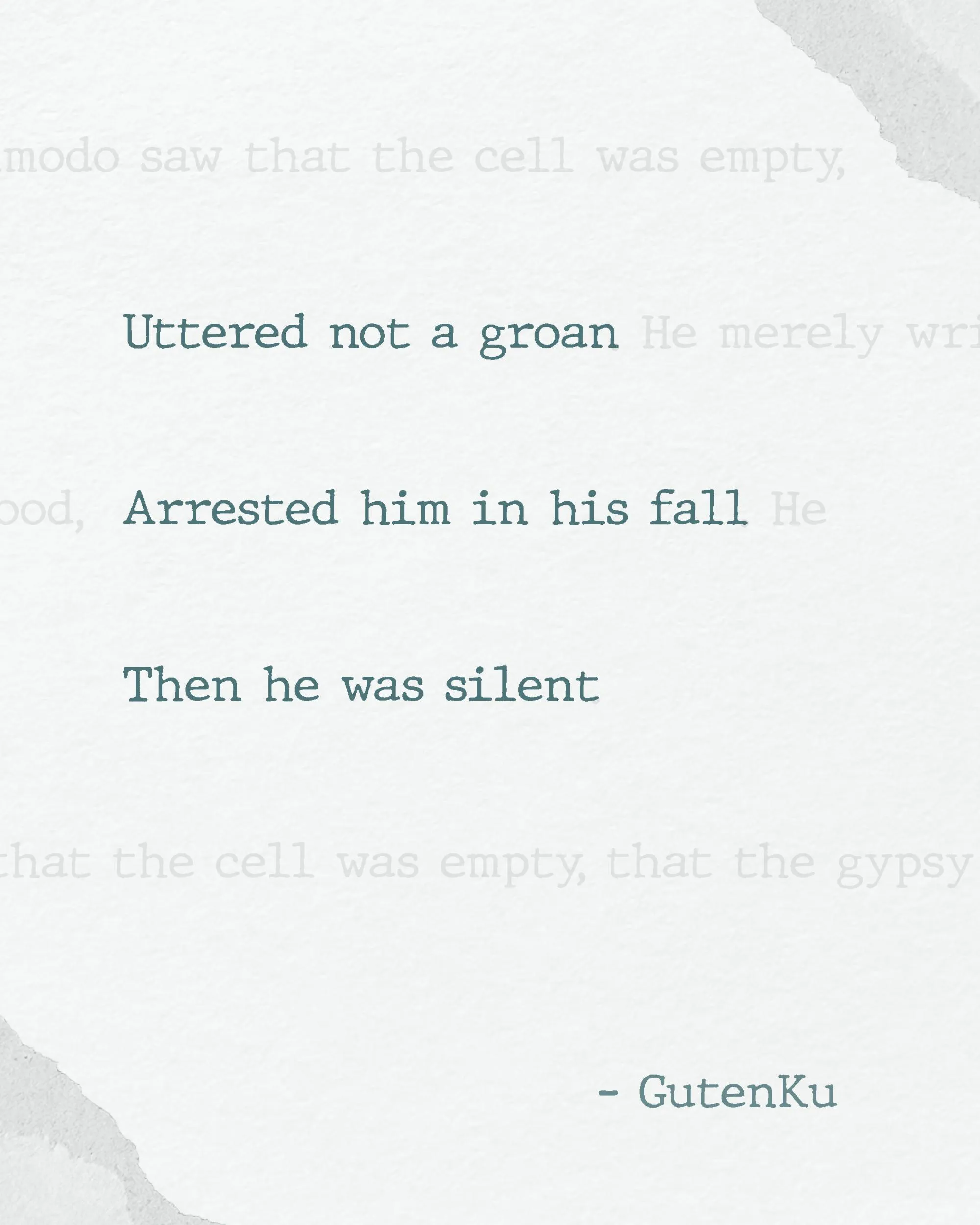
"Uttered not a groan / Arrested him in his fall / Then he was silent"
Now you know the trick. Does it still work?
If you felt something reading this — that's not my doing.
Photo credits: @heristop
Share this article
Use Left arrow Right arrow to navigate